Research and student development
What Dancing Classrooms Helps Students Practice
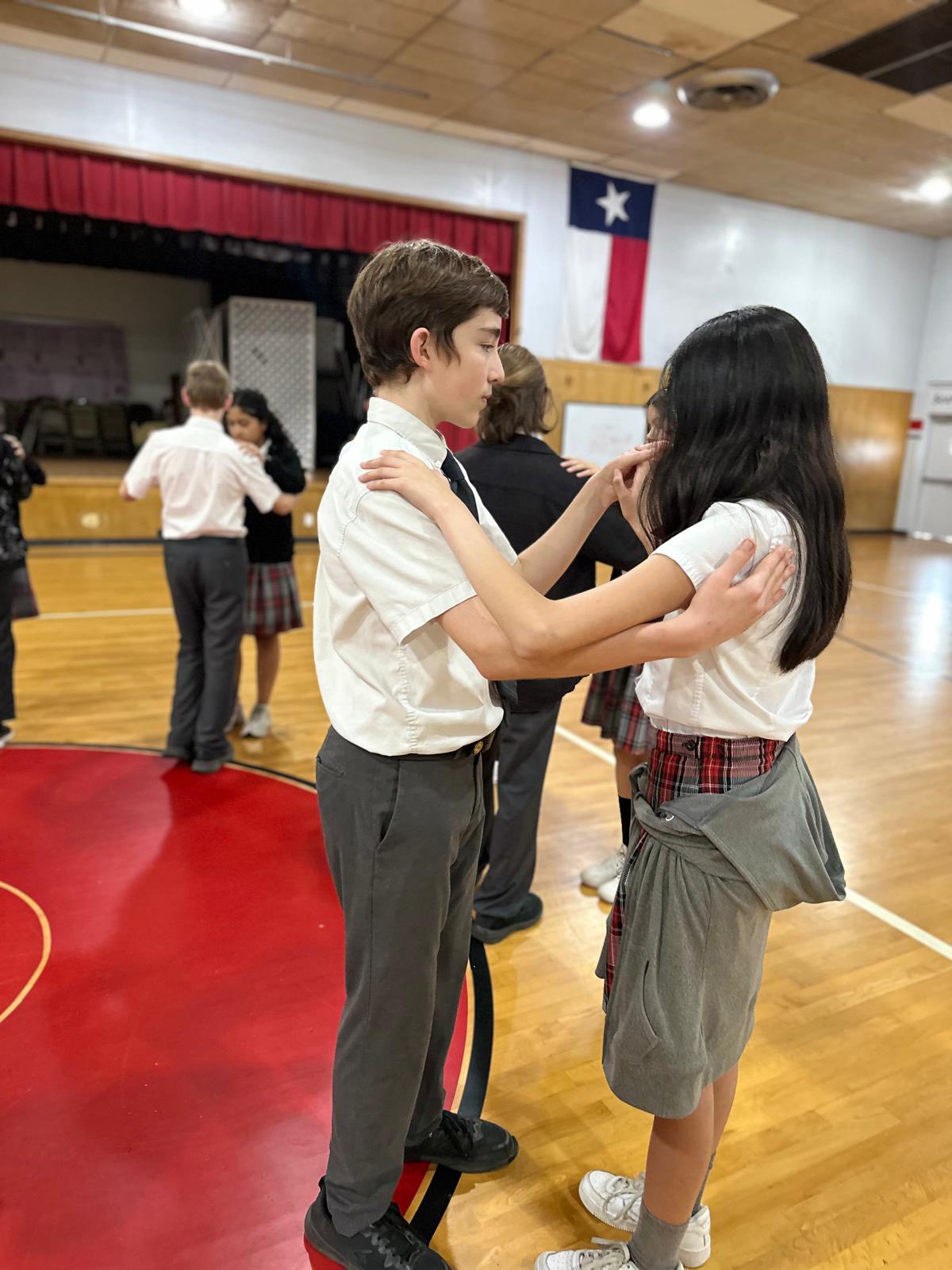
The residency gives students repeated, structured practice with confidence, cooperation, focus, respect, and social connection.
North Texas research
Studied with 624 fifth-grade students.
A quasi-experimental evaluation of Dancing Classrooms in North Texas found significant improvements in students' perceptions of social support, interaction across differences, self-efficacy, and school success.
These findings describe the study population and should not be treated as a guaranteed result for every student or campus.
Outcomes measured
Social and emotional learning
Students practice the skills during every lesson.
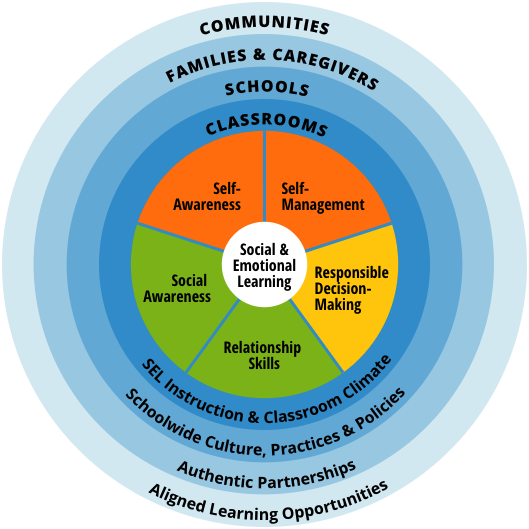
The Dancing Classrooms curriculum aligns with the CASEL social-emotional learning framework. Students practice self-awareness, self-management, social awareness, relationship skills, and responsible decision-making through structured partner work.
For North Texas schools
Review whether the residency fits your campus.
Dance to Success will discuss the student group, instructional space, schedule, staff involvement, and funding before a school makes a commitment.